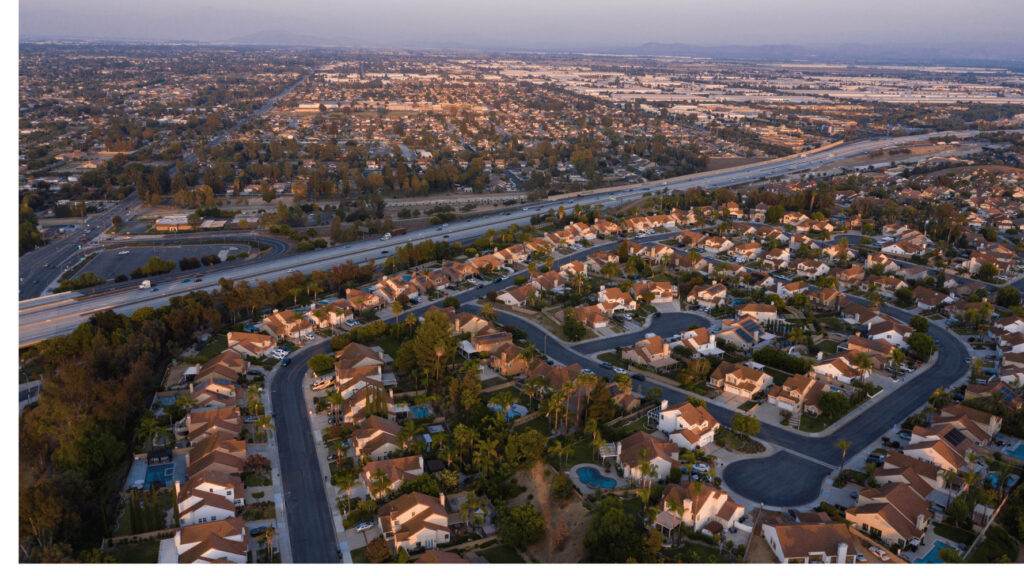
Chino Hills, California, stands as one of the most vibrant suburban communities in the Inland Empire. Known today for its scenic rolling landscapes, master-planned neighborhoods, and convenient access to major highways, the city’s history stretches far beyond its incorporation. The evolution of Chino Hills tells a story of early ranch lands, agricultural prosperity, suburban expansion, and the careful balance between growth and preserving open space.
Early Origins and the Rancho Era
The area now called Chino Hills was originally part of a vast ranching territory during the 1800s. Much of this land fell within the historic Rancho Santa Ana del Chino, a Mexican land grant awarded in 1841 to Antonio Maria Lugo. The region’s rolling hills and fertile plains made it ideal for cattle and sheep grazing, and early settlements revolved around ranching families who lived close to creeks and pastures.
Remnants of this early period remain part of the area’s heritage. The Chino Hills State Park, with its sweeping grasslands and oak-covered slopes, preserves much of the same terrain once used for ranching and farming. Visitors walking along the park’s trails can still imagine what the land looked like before suburban development began to take shape.
Agriculture and Dairy Expansion
In the early 20th century, the Chino Valley became one of California’s most productive dairy regions. As ranching declined, dairy farms began to dominate the landscape, bringing families from across the state and beyond. The mild climate, proximity to rail lines, and extensive tracts of flat land made it an ideal setting for dairy production.
Throughout the 1940s and 1950s, small towns in the surrounding region, including Chino and Pomona, thrived as centers of dairy farming and agriculture. Even as the hills began to transition into residential areas, parts of Chino Hills retained their rural character. Streets like Peyton Drive and Soquel Canyon Parkway still pass areas that once supported dairy operations and crop fields.
Transition to a Planned Suburban Community
The transformation of Chino Hills from open ranch land to suburban neighborhoods began in earnest during the late 1970s and 1980s. Rapid population growth across Southern California fueled the demand for housing, and developers recognized the area’s potential as a residential retreat with proximity to Los Angeles, Orange County, and Riverside.
Incorporation became a significant goal for residents who wanted to control the pace and character of this growth. After years of effort, Chino Hills officially became a city on December 1, 1991. This new governance enabled residents to shape development policies, protect open spaces, and invest in community amenities, including parks, schools, and libraries.
Neighborhoods like Butterfield Ranch, Rolling Ridge, and Los Serranos became distinct parts of the city’s identity. Carefully designed streets, greenbelts, and community centers reflected the master-planning philosophy that continues to guide local development today.
Parks and Open Space Preservation
While Chino Hills experienced significant suburban growth, the city has also prioritized preserving its natural beauty. The establishment of Chino Hills State Park, which covers nearly 14,000 acres across San Bernardino, Orange, and Riverside counties, remains one of the area’s most significant accomplishments. The park offers miles of trails for hiking, biking, and horseback riding, while also serving as a habitat for native wildlife.
Within the city limits, numerous local parks complement the state park’s wide-open spaces. English Springs Park, known for its lake and waterfall, offers a peaceful green space in the middle of residential neighborhoods. Veterans Park and Grand Avenue Park host regular community events, sports programs, and family gatherings, further reinforcing the city’s commitment to an active outdoor lifestyle.
Economic and Regional Growth
Over the past three decades, Chino Hills has developed a balanced local economy focused on retail, education, and small business. The Shoppes at Chino Hills, an outdoor lifestyle center, became a central meeting place for dining, shopping, and entertainment when it opened in 2008. Its open-air design, tree-lined walkways, and community events have helped establish it as a civic and cultural anchor.
The city’s location at the junction of the 60, 71, and 91 freeways gives residents direct access to regional job centers throughout the Inland Empire and Orange County. This connectivity has made Chino Hills a desirable home base for professionals who commute to nearby cities, such as Ontario, Brea, and Diamond Bar.
Education has also played a role in the city’s long-term stability. The Chino Valley Unified School District, which includes several highly rated campuses, remains one of the top draws for families moving into the area. Alongside these schools, institutions such as Chaffey College’s Chino Campus and nearby universities in Pomona and Fullerton offer higher education opportunities within a short drive.
Community Life and Modern Identity
Chino Hills’ community character reflects a blend of its rural past and modern suburban life. Events like the Annual Holiday Tree Lighting, Summer Concerts in the Park, and Cultural Arts Festival bring residents together throughout the year. The McCoy Equestrian and Recreation Center celebrates the area’s ranching history while hosting modern community gatherings and performances.
Local dining and leisure scenes have grown steadily as well. Residents enjoy a mix of regional restaurants and independent eateries around Peyton Drive and Chino Hills Parkway. While much of the city is newer in design, planners have worked to maintain a “small-town within a city” feel through parks, trails, and civic spaces that encourage community interaction.
Looking Ahead
Today, Chino Hills is recognized as one of the most desirable cities in the Inland Empire, striking a balance between economic progress and environmental stewardship. Future plans continue to emphasize sustainable growth, infrastructure improvement, and protection of open space. From the quiet hillsides that overlook the valley to the bustling heart of city life, Chino Hills remains a model for managed development rooted in its history of land, community, and connection.
Wrap Up
The story of Chino Hills is one of transformation—from ranch land and dairies to a modern suburban community that values its natural landscape and quality of life. Through thoughtful planning, local involvement, and regional cooperation, the city has maintained a strong sense of identity while continuing to evolve. Its growth across the Inland Empire reflects not just expansion, but balance: progress guided by pride in the city’s past.
Work and Relax Near the Hills
After a morning at Chino Hills State Park or English Springs Park, many Chino Hills entrepreneurs head to nearby coworking spaces like Onboard Coworking in Diamond Bar. With quiet desks, fast Wi-Fi, and fresh coffee, it’s the perfect way to shift from nature to productivity without the commute.
Next, let’s begin Exploring the Neighborhoods of Chino Hills from Los Serranos to Payne Ranch, as we continue our journey through Chino Hills, CA.